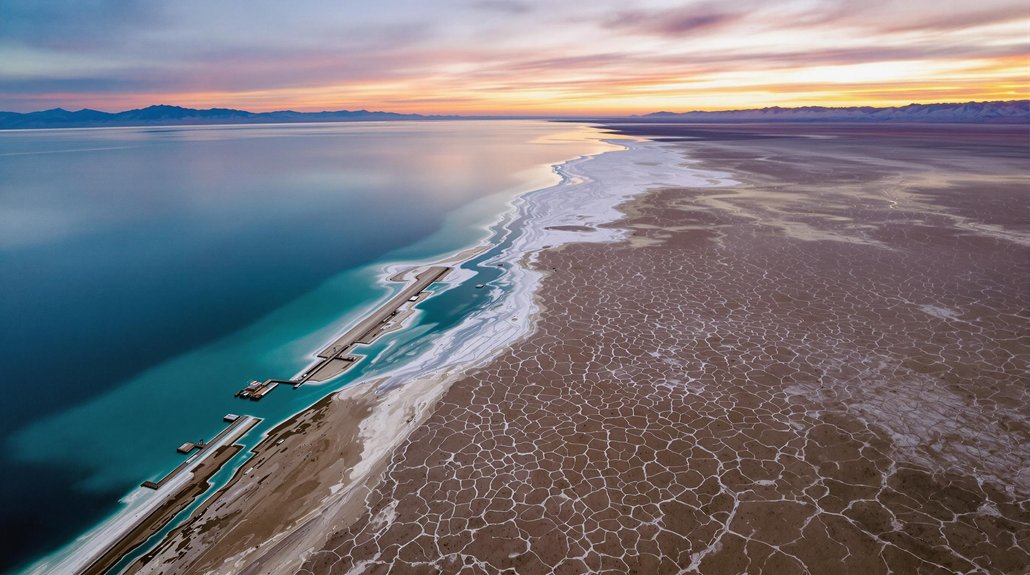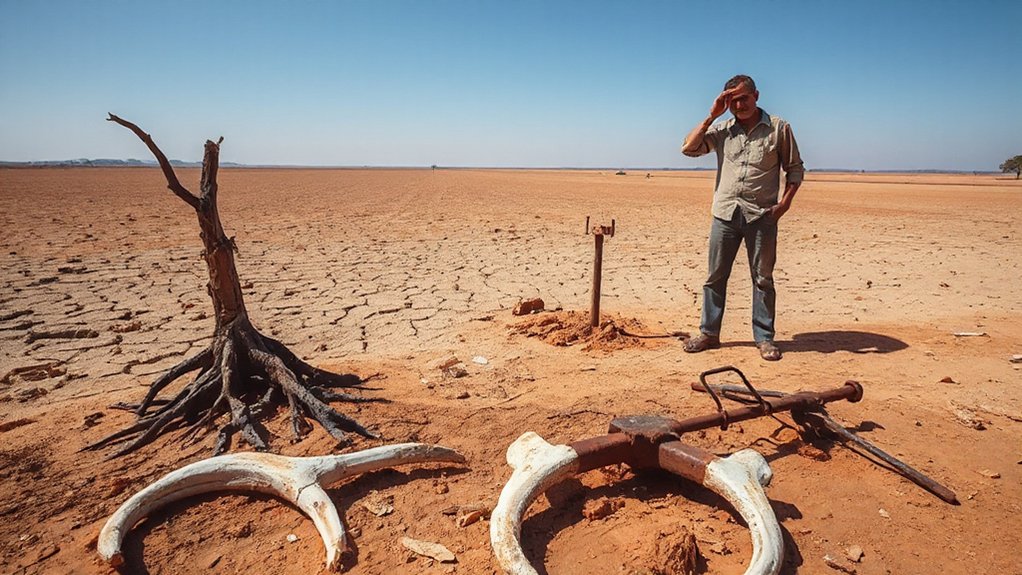

Brazil’s brutal transformation unfolds across its once-lush landscapes, as farmers face a new harsh reality. What was fertile farmland just years ago now resembles desert in some regions. It’s not exactly what agricultural powerhouses typically aim for. The facts don’t lie – Brazil has recorded its first arid climate areas, with the Northeast showing significant land degradation between 2000 and 2020.
The numbers paint a grim picture. Over four decades, Brazil lost a staggering 111.7 million hectares of natural areas. That’s about 2.9 million hectares annually disappearing. Gone. Poof. And now they’re paying the price. Already, 28% of agricultural lands sit outside ideal climatic ranges, and projections suggest this will worsen to 74% by 2060. Not exactly promising career prospects for young farmers.
Climate change isn’t playing nice along the Cerrado-Amazon frontier, which happens to produce half the country’s agricultural output. This region faces increasingly drier conditions, with later rainy seasons and more intense dry periods making double-cropping nearly impossible. Farmers are fundamentally playing climate roulette with their livelihoods. The Cerrado biome remains particularly vulnerable as it holds half of Brazil’s soybean crops, yet continues to face extensive degradation, having lost 40.5 million hectares of native vegetation since 1985.
The irony? Brazil expanded agricultural land by 50% over 38 years, reaching 95.1 million hectares. Between 2000-2020 alone, agricultural area expanded by 230 thousand square kilometers. All that effort, and now the climate changes the rules.
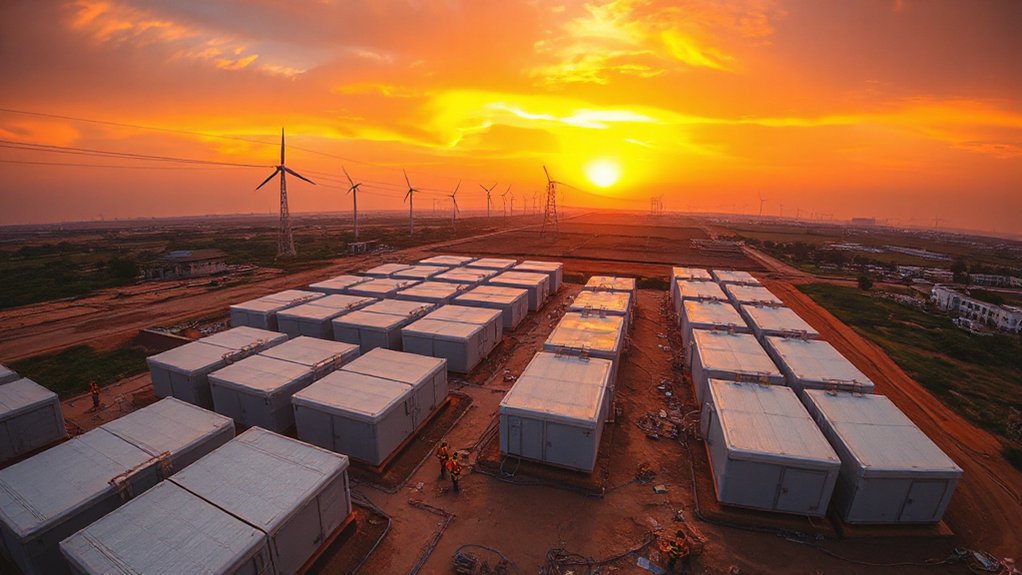
Some regions are getting particularly hammered. MATOPIBA states, once celebrated as promising new agricultural frontiers, now face uncertain futures. Meanwhile, photovoltaic plants have taken over 25,900 hectares of savanna and pasture in the driest states. At least something can use all that sun.
What makes this especially cruel is the timing. After decades of agricultural expansion and forest conversion, Brazil actually has 70 million acres of degraded pasture suitable for cropland conversion. That potential 35% increase in planted area might just become worthless land if the aridification trend continues. Mother Nature’s last laugh, perhaps.
References
- https://brasil.mapbiomas.org/en/2023/10/06/area-de-agropecuaria-no-brasil-cresceu-50-nos-ultimos-38-anos/
- https://brasil.mapbiomas.org/en/2025/08/13/brasil-quatro-decadas-de-transformacao-na-cobertura-e-uso-da-terra-revelam-desafios-e-oportunidades/
- https://origin.farmdocdaily.illinois.edu/2024/04/potential-for-crop-expansion-in-brazil-based-on-pastureland-and-double-cropping.html
- https://agenciadenoticias.ibge.gov.br/en/agencia-news/2184-news-agency/news/35174-between-2000-and-2020-agricultural-area-grew-230-thousand-km-natural-vegetation-reduced-513-thousand-km-in-brazil
- https://www.woodwellclimate.org/brazils-farms-losing-agricultural-suitability/
- https://latinamericareports.com/new-ucla-research-reveals-worrying-land-degradation-in-northeast-brazil/11869/
- https://www.projetoruptura.org/post/understand-why-brazil-has-arid-climate-areas-for-the-first-time-in-history