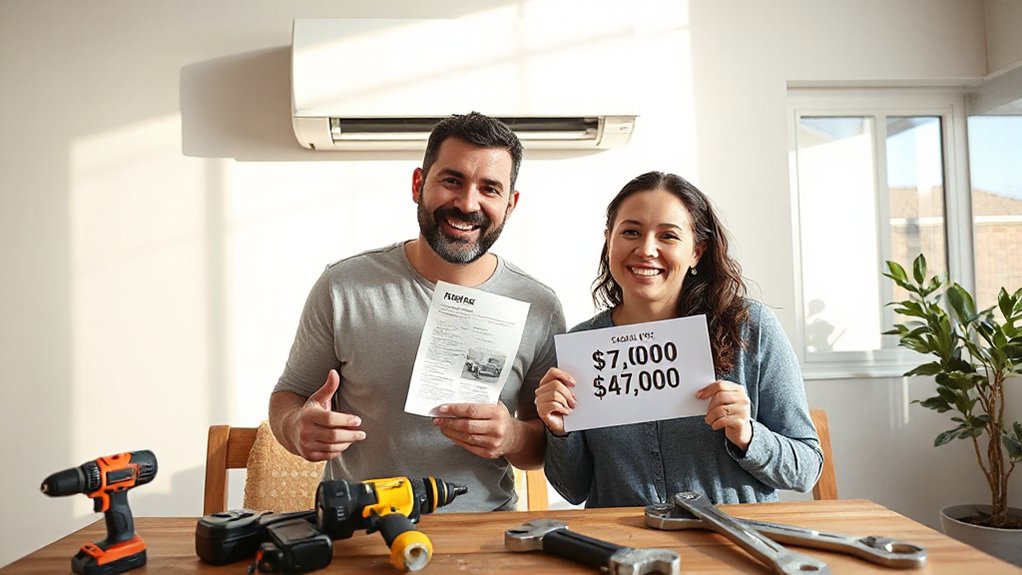
Millions of renters and apartment dwellers are finding a new way to cut their electricity bills. Small solar panel kits, known as balcony solar systems, are becoming popular across the US. They plug directly into a standard 120V outlet and don’t need a rooftop or complex setup.
Renters are slashing electricity bills with plug-in balcony solar kits — no rooftop, no permits, no hassle.
These compact systems typically range from 800 to 1200 watts. They can be mounted on balconies, patios, or railings. No special permits or utility approvals are required in many cases. That makes them very different from traditional rooftop solar.
The savings vary by location. In Maine, a 1200W system cuts bills by about 20%, saving around $400 a year. In Delaware, the same system saves an estimated $17 a month. Some families in certain states save $30 to $40 monthly. In sunny areas, these systems can produce an estimated 1,000 to 1,400 kilowatt-hours per year.
The cost to buy a system typically ranges from $600 to $1,500. Estimates put payback periods at between three and six years. Some users have reported breaking even in as little as 25 months. That’s still a long wait, but it’s much cheaper than a full rooftop solar installation.
These systems don’t add value to an apartment. Renters don’t own the building, so the panels can’t become part of the property. They’re portable devices, not permanent improvements. That means they won’t raise the apartment’s value or lower its sale price.
There are also real limits to what these systems can do. They only produce power during daylight hours. They can’t run large appliances like air conditioners or dryers. They reduce how much power a home draws from the grid, but they don’t replace it. An 800 watt balcony kit typically covers 15% to 25% of a typical apartment’s monthly electricity needs.
In Europe, balcony solar is already well established. Germany alone has over 700,000 installations. The US is catching up. More than 24 states now have legislation or active proposals supporting these systems. Utah became the first state to pass a formal law in 2025. Virginia recently approved them too. The overall US market demand is estimated at 57 gigawatts, with potential savings of $13 billion a year. Unlike large utility-scale solar parks, which can reportedly require 5 to 10 acres per megawatt of capacity, balcony systems need only a small railing or patio space to operate. As adoption grows, however, utilities may spread fixed infrastructure costs across fewer kilowatt-hours sold, meaning rate increases could gradually offset the monthly savings these systems provide.
References
- https://www.youtube.com/watch?v=PWpsw9q-bLw
- https://www.caesarrodney.org/post/balcony-solar-and-why-your-electric-bill-is-so-high
- https://www.solar.com/learn/guide-to-balcony-plug-in-solar/
- https://www.solarpowerworldonline.com/2026/02/balcony-plug-in-solar-panels-are-we-ready-for-this-new-era-of-accessible-energy/
- https://chesapeakeclimate.org/balcony-solar-is-going-viral/
- https://www.canarymedia.com/articles/solar/balcony-solar-taking-state-legislatures-by-storm