Dead batteries usually end up in landfills. Not these ones. Rome Fiumicino Airport just turned 84 worn-out Nissan LEAF batteries into a power station, and honestly, it’s about time someone did something smart with old EV parts.
The project, called Pioneer, launched June 4, 2025. Classic Europe move – they got EU Innovation Funds to help pay for it. These beat-up batteries from high-mileage LEAFs now store 2.1 megawatt-hours of electricity. That’s part of a bigger 10 MWh system that keeps the lights on when planes need to land.
EU-funded Pioneer project transforms 84 worn-out LEAF batteries into 2.1 MWh airport backup power.
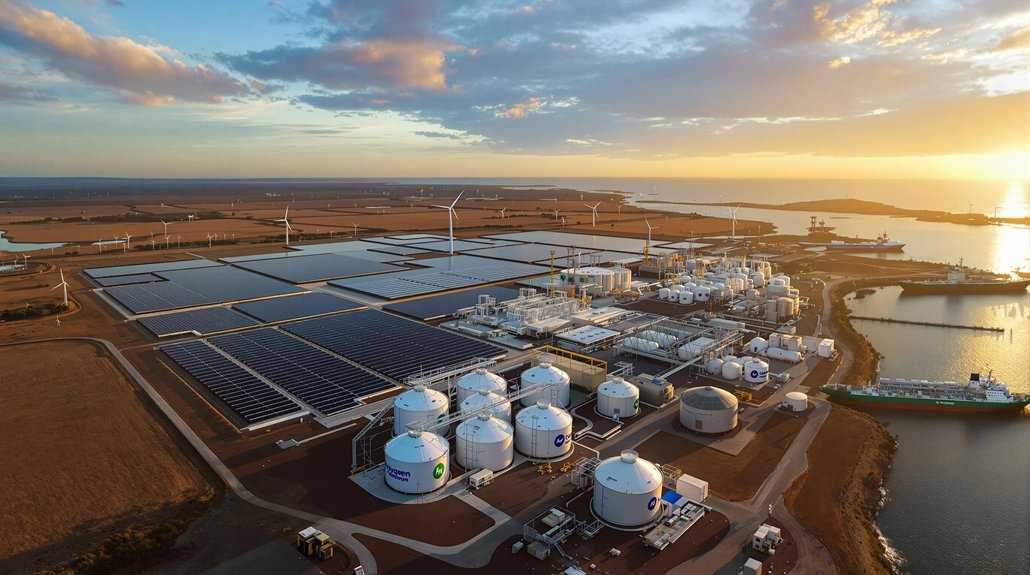
Here’s the kicker. These batteries came from warranty returns and cars with serious miles on them. Gen 3 30kWh units, Gen 4 40kWh units – basically whatever Nissan could scrape together. Loccioni, the system integrator, made them play nice with Enel’s energy storage setup. The whole thing connects to 55,000 solar panels pumping out 31 gigawatt-hours yearly. The BESS captures excess solar during peak production, storing it for continuous electricity supply at night or during cloudy weather.
Aeroporti di Roma wants net-zero emissions by 2030. Good luck with that. But at least they’re trying something different. These zombie batteries should keep working for another six or seven years, getting used daily to balance the airport’s power needs. Nissan’s team ran simulations showing these batteries meet performance standards despite their previous automotive life.
Nissan keeps talking about their “4R Concept” – Reuse, Refabricate, Resell, Recycle. Corporate speak aside, it actually makes sense. Why trash a battery that still has 70% capacity when airports need backup power? Unlike geothermal energy’s 96% capacity factor, these repurposed batteries don’t achieve perfect efficiency but still provide remarkable utility.
The implications? Pretty obvious. Every major airport could do this. Every LEAF owner might actually get something back when their battery degrades. Nissan says they’re aiming for carbon neutrality by 2050, which sounds ambitious until you remember that’s 25 years away.
Italy’s largest international transport hub now runs partly on batteries that couldn’t handle morning commutes anymore. There’s something poetic about that. Worn-out car parts helping jets take off. The circular economy isn’t just consultant babble anymore – it’s keeping terminal lights on while passengers complain about delays.
This Pioneer project proves one thing. Second-life batteries aren’t garbage. They’re infrastructure waiting to happen.
References
- https://www.electrive.com/2025/06/04/second-life-automotive-batteries-for-energy-storage-at-italian-airport/
- https://www.electrifying.com/blog/article/nissan-leaf-batteries-given-new-lease-of-life-at-airport
- https://www.motortradenews.com/electric-vehicles/nissan-leaf-batteries-given-second-life-with-pioneer/
- https://www.carsifu.my/news/nissan-leaf-batteries-start-2nd-life-at-italys-largest-airport/
- https://www.nissan-global.com/EN/STORIES/RELEASES/second-life-leaf-batteries/