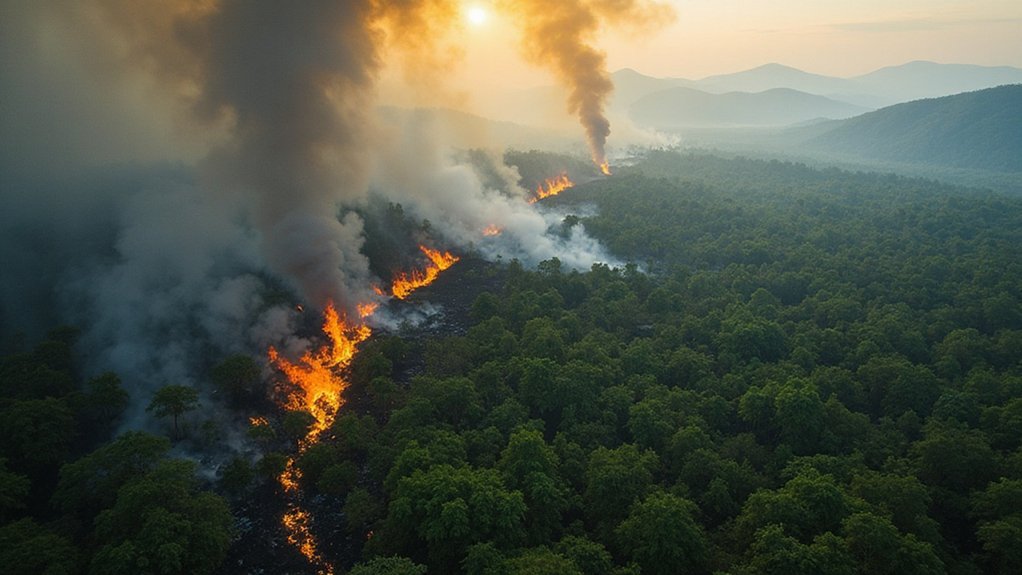
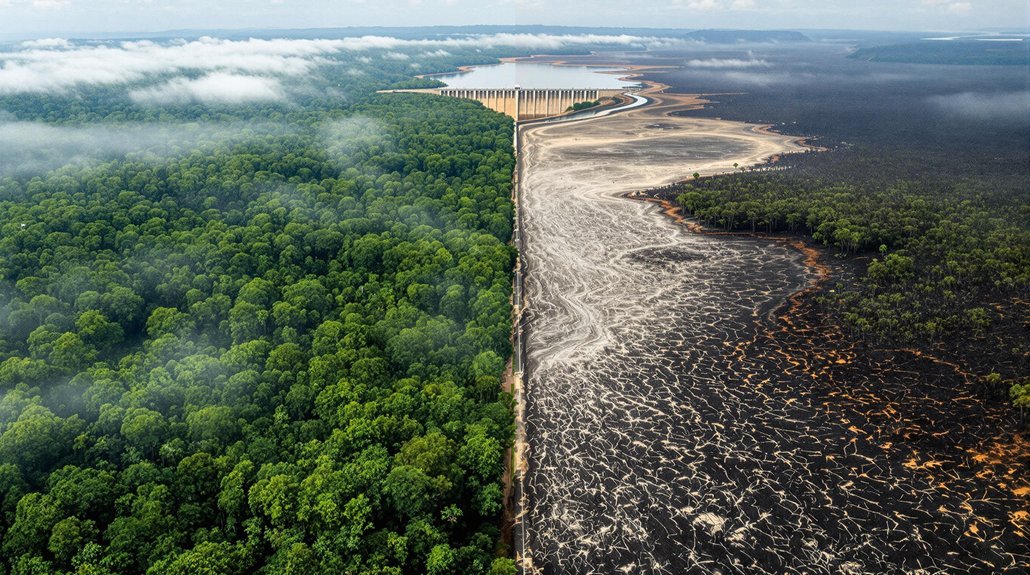
Thirty-four African nations have pledged to restore 129.5 million hectares under AFR100 by 2030, building on initial commitments from 10 countries in 2015. The initiative is called AFR100. It aims to restore 100 million hectares of damaged and deforested land by 2030.
Thirty African nations are uniting to restore 100 million hectares of damaged land by 2030.
The African Union has endorsed the plan, which launched at COP21 in Paris on December 6, 2015.
The program builds on a broader global effort called the Bonn Challenge, which targets 350 million hectares worldwide.
Ten African countries made early commitments covering 31.7 million hectares.
Thirteen countries have also included restoration goals in their national climate plans.
Kenya pledged to restore 10.6 million hectares and aims to plant 15 billion trees by 2032 to reach 30% forest cover.
Mozambique committed to 1 million hectares.
The funding behind AFR100 is significant.
The World Bank has backed the effort with $1 billion in development finance.
Between $540 million and $545 million in private-sector investment has also been pledged.
Germany has reportedly added more funds.
Cool Effect’s Giving Trees initiative distributes roughly 70% of carbon credit profits directly to farmers.
Nine financial partners have pledged support for restoration activities across the continent.
The carbon benefits could be major.
If countries follow through on their 2020 pledges, Africa’s annual emissions could drop by 36%.
That’s about 0.25% of global emissions.
Over 10 years, the effort could cut 1.2 gigatons of CO2 equivalent.
Africa’s Great Green Wall alone could sequester 250 million tonnes of carbon.
The benefits don’t stop at carbon.
Restored land can improve soil, boost food security, and increase water supplies.
It also reduces desertification and creates jobs.
In Niger, women save about 2 hours a day because trees on farms now provide fuelwood closer to home.
There are real success stories.
Niger farmers restored trees on 5 million hectares, helping feed 2.5 million people.
Ethiopia’s Tigray region restored over 1 million hectares, making the land more resistant to drought.
Kenya’s Green Belt Movement has planted 51 million trees since 1977.
But challenges remain.
Seed shortages, illegal logging, and weak enforcement could hold back progress.
Sub-Saharan Africa lost 10.4% of its forests in just 20 years. Experts warn that forest destruction contributes to approximately 20% of global greenhouse gas emissions, making restoration across the continent an urgent climate priority. A new international study found that Africa’s forests shifted from a carbon sink to a carbon source after 2010, underlining why restoration efforts like AFR100 are now considered critical.
References
- https://www.weforum.org/stories/2015/12/african-countries-are-pledging-to-restore-100m-hectares-of-forest/
- https://www.wri.org/news/release-african-countries-launch-afr100-restore-100-million-hectares-land
- https://www.eurekalert.org/news-releases/1107609
- https://afr100.org/partnership/wwfs-forest-landscape-restoration-africa
- https://cleantechnica.com/2026/04/01/millions-of-trees-planted-in-africa-to-remove-carbon-restore-soil/
- https://www.worldbank.org/en/news/feature/2016/11/14/africas-bold-and-ambitious-endeavor-restoring-100m-hectares-of-land-by-2030
- https://globalforestcoalition.org/wp-content/uploads/2021/09/AFR100-plantations-briefing.pdf
- https://www.cgiar.org/news-events/news/africa-climate-summit-advanced-tree-restoration-pledges-but-a-big-seed-shortage-remains