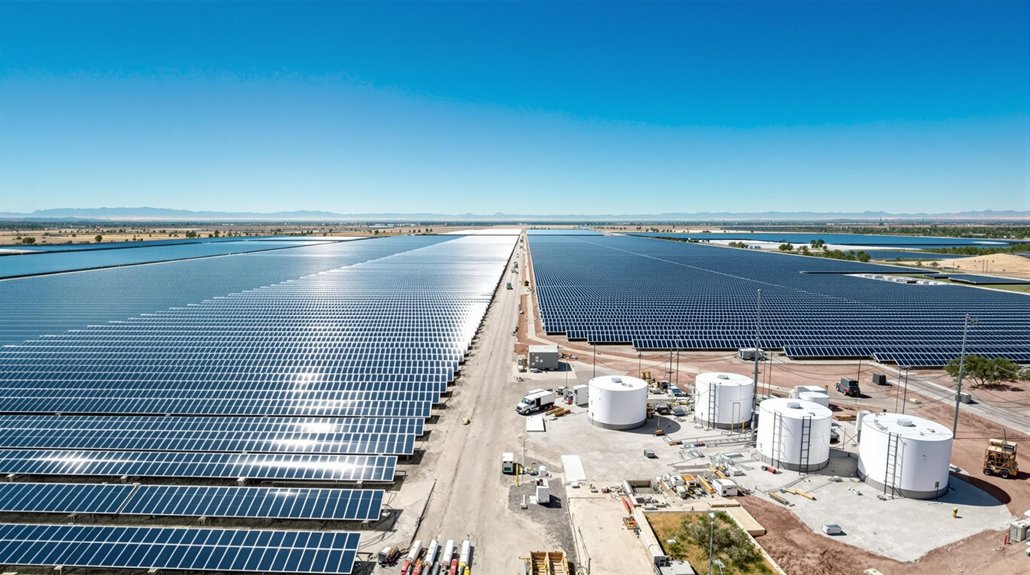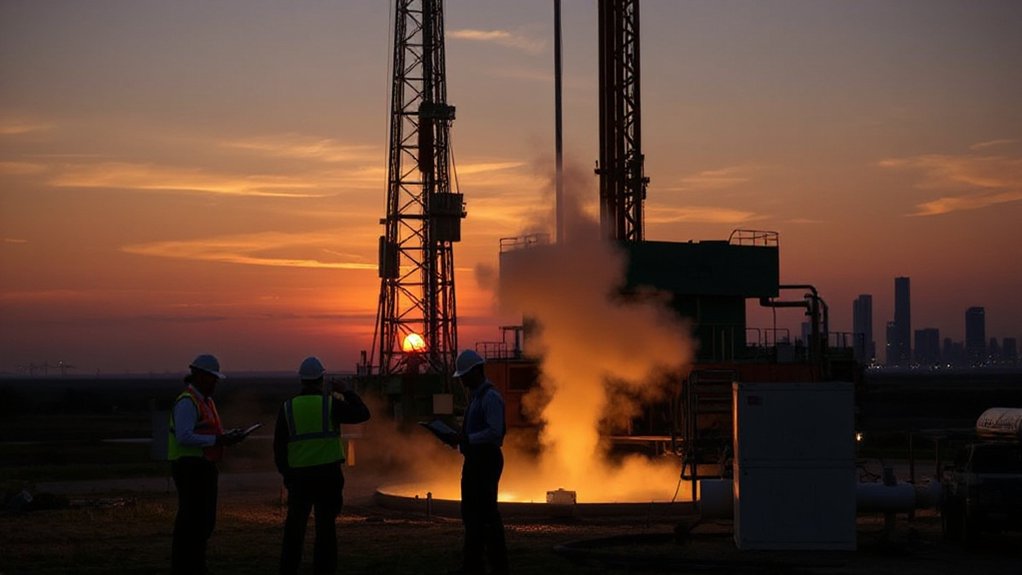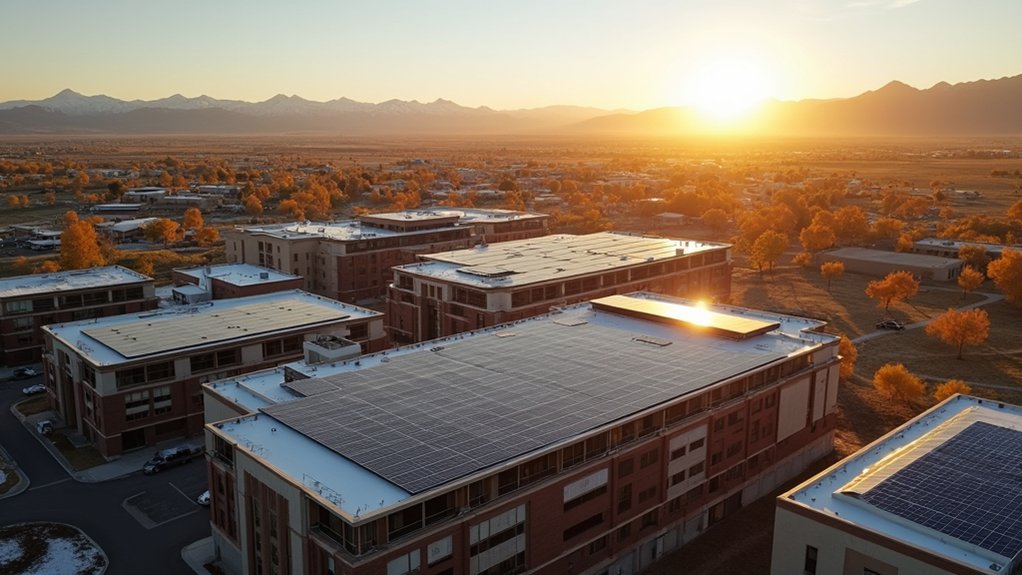
While the world scrambles to find space for solar panels, someone finally noticed the massive holes in the ground where coal used to be. The Global Energy Monitor just dropped a bombshell: abandoned coal mines could host 300 gigawatts of solar capacity. That’s enough juice to power Germany. The entire country.
Abandoned coal mines could host 300 gigawatts of solar capacity – enough to power all of Germany.
Think about it. We’ve been arguing over farmland and forests while perfectly good wasteland sits there, already wrecked and ready to go. Over 300 recently closed surface mines could fit 103 gigawatts worth of panels right now. Another 185 gigawatts could squeeze onto mines that haven’t shut down yet but will soon enough. That’s 5,820 square kilometers of degraded land just waiting for a purpose. The study specifically looked at mines that closed since 2020 and those expected to shut by 2030.
China’s already figured this out. They’ve slapped solar panels on 90 old mining sites, cranking out 14 gigawatts. Meanwhile, Europe’s sitting on massive brown coal pits that could easily become solar goldmines. The infrastructure‘s already there – power lines, roads, the works. No need to bulldoze virgin land or tick off farmers.
The economics make sense too. Sure, converting toxic moonscapes costs more than building on clean dirt. But these coal towns are dying anyway. New solar jobs beat unemployment checks. Local governments get tax revenue instead of cleanup bills. Communities that built their identities around coal get a second act. This transformation follows the same principles that have made energy storage market growth reach a compound annual rate of 7.2% as renewable infrastructure finds new purposes.
Of course, there are headaches. Some sites are contaminated nightmares. Toxic materials lurk in the soil. The weird topography from years of digging makes installation tricky. You can’t just throw panels down and call it a day. Environmental cleanup has to happen first, and that’s not cheap or quick.
But here’s the thing: that 300 gigawatts represents about 15% of all solar capacity on Earth right now. These dead mines could seriously accelerate the energy shift. Instead of fighting over where to put renewable energy, we could use the scars coal left behind.
The irony’s almost too perfect. The same holes that fed our carbon addiction for decades could help cure it. Coal mines becoming solar farms – it’s like watching your worst enemy become your salvation.
References
- https://globalenergymonitor.org/press-release/converting-closed-coal-mines-to-solar-can-add-15-to-global-capacity/
- https://carbon-pulse.com/409212/
- https://globalenergymonitor.org/report/bright-side-of-the-mine/
- https://www.brusselstimes.com/environment/1634027/former-open-pit-coal-mines-could-be-turned-into-solar-farms-ngo-says
- https://www.ndtv.com/world-news/energy-transition-how-coal-mines-could-go-solar-8697300