
Wisconsin’s renewable energy revolution promises big numbers: $16 billion economic boost and 68,000 jobs by 2050. Pretty impressive for a state stuck at just 9% renewable energy today. The challenges? Massive. High installation costs, supply chain headaches, and an electrical grid that’s basically on life support. Coal’s dying while electricity demand will skyrocket 166%. The clean energy shift isn’t optional—it’s either economic renaissance or lights out.
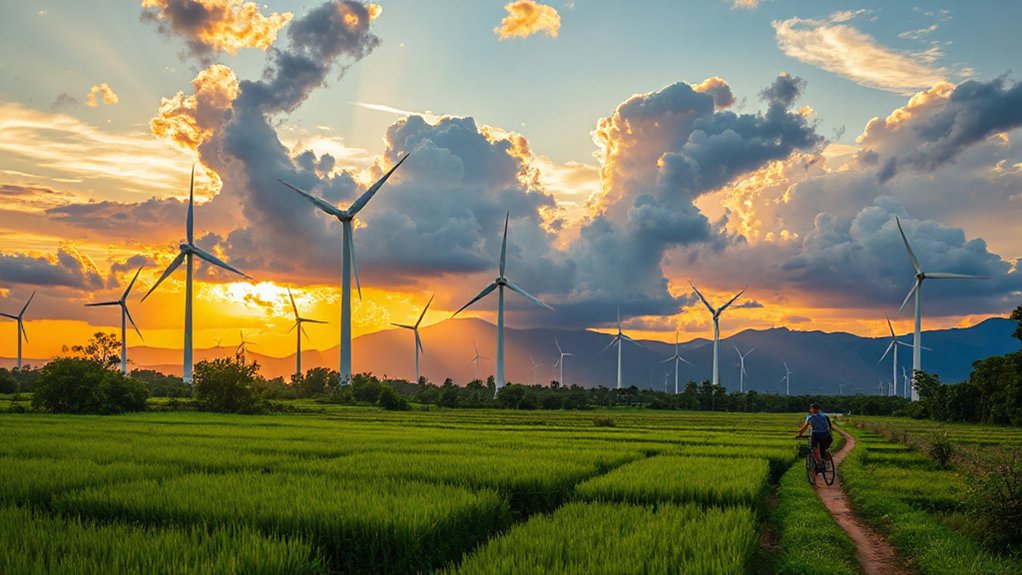
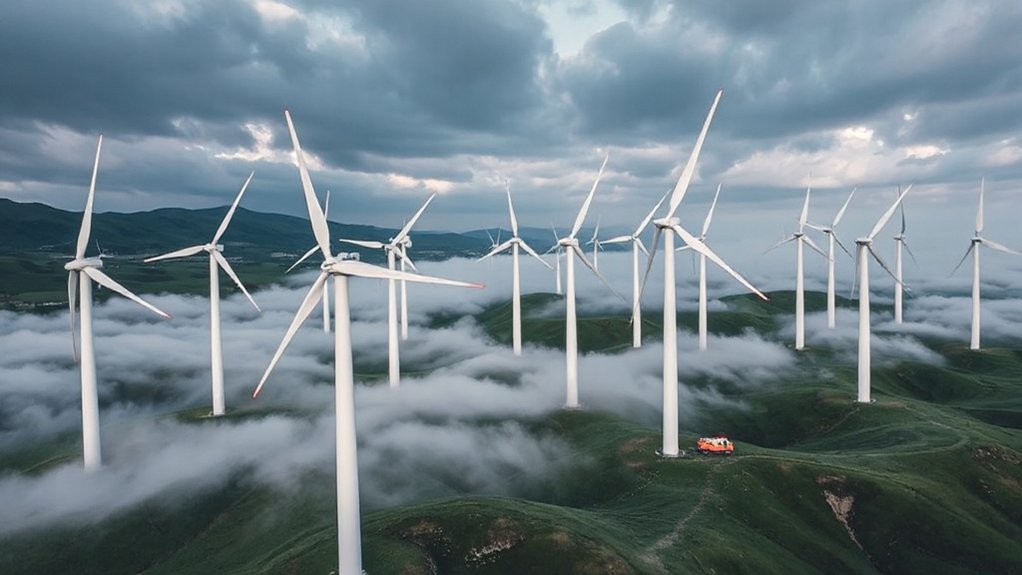
While Wisconsin has historically lagged behind neighboring states in renewable energy adoption, the Badger State is finally catching up. With just 9% of electricity coming from renewables in 2023, Wisconsin isn’t exactly winning any green medals. Wind leads the renewable pack at 30%, with hydroelectric following at 27%. The state’s 92-megawatt Quilt Block Wind Farm is the newest kid on the block.
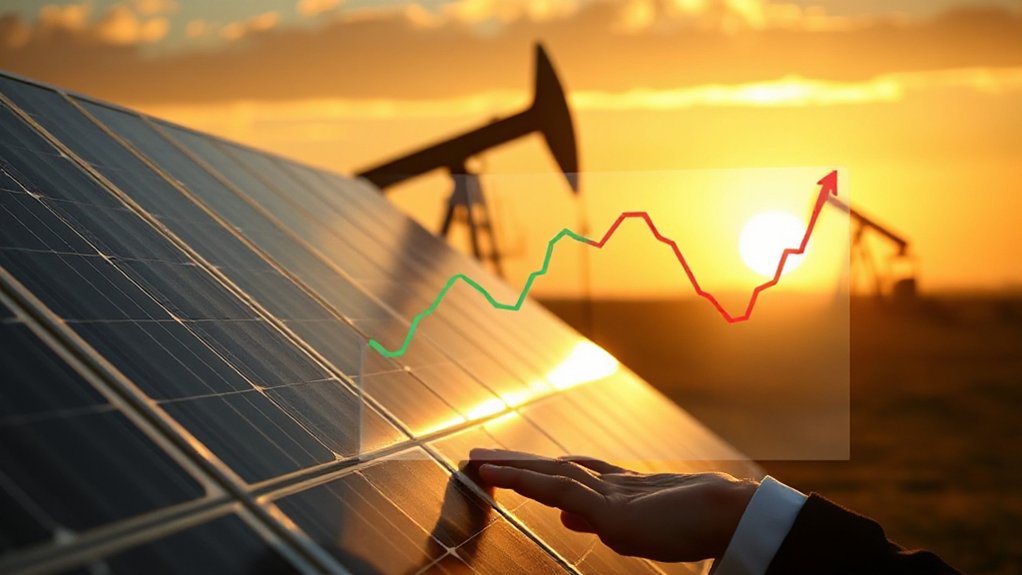
The economic benefits? Pretty impressive, actually. We’re looking at a $16 billion boost to the state’s economy by 2050 and 68,000 new jobs. Not too shabby. Healthcare savings could hit $4.4 billion by mid-century, with fewer people dying from air pollution. Your wallet might thank you too—lower fuel and energy costs mean more money for cheese curds.
Investments are already flowing. $445 million poured into clean energy projects, creating 512 good-paying jobs. Rural communities aren’t being left out, with $345 million invested and 100 new jobs. Thanks, Inflation Reduction Act!
The Inflation Reduction Act isn’t just hot air—it’s pumping millions into Wisconsin communities and creating hundreds of real jobs.
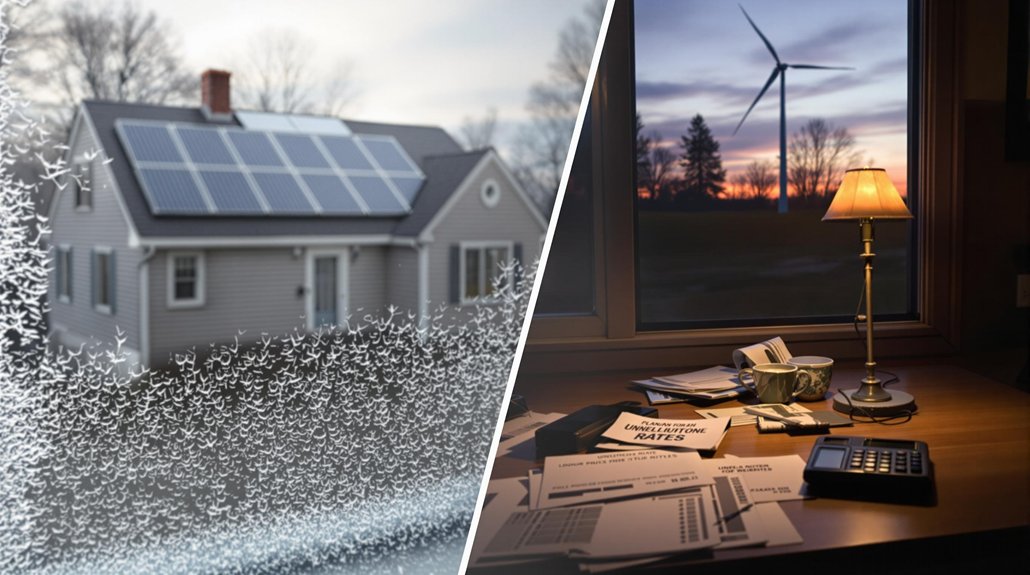
But it’s not all sunshine and rainbows. Upfront costs are steep. Supply chains are a mess. Politicians? Well, they’re politicians. Grid reliability remains a concern, and those interstate transmission lines won’t build themselves. The aging electrical grid requires significant modernization to properly support the growing renewable energy sector.
The state isn’t sitting idle, though. The Clean Energy to Communities program has launched, and Wisconsin’s Clean Energy Plan is underway. Organizations like RENEW Wisconsin are actively advocating for renewable energy solutions and policies that support clean energy development. Clean Wisconsin provides trustworthy information about environmental news and alerts to keep citizens informed about progress. Net metering policies exist, though they vary among utilities. Some farmers want third-party solar ownership. Good luck with that.
Technology keeps advancing. Bigger wind turbines. Cheaper solar panels. Better batteries. More EV chargers. The future of energy is looking less fossil-fueled by the day.
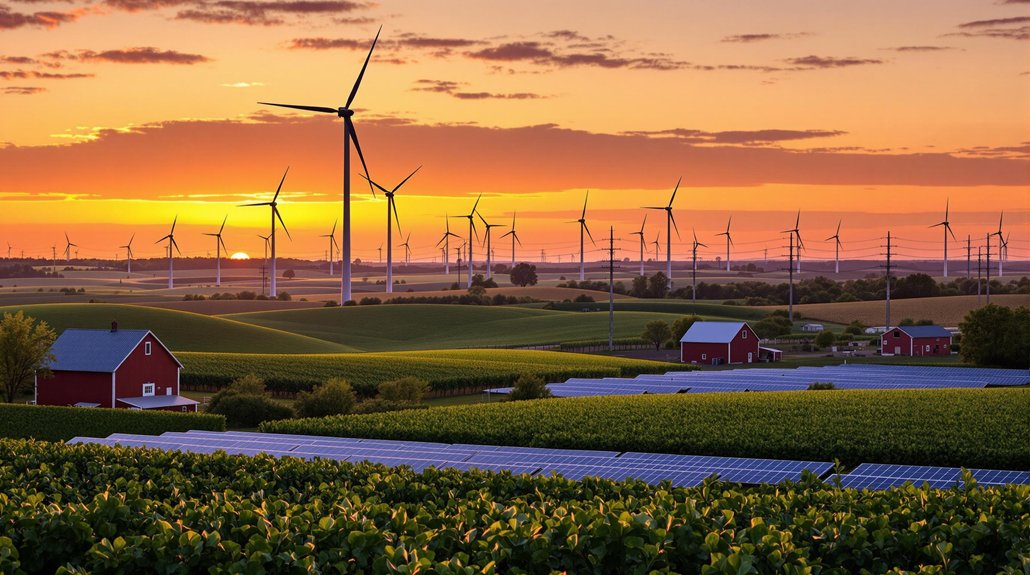
Looking ahead, electricity demand will skyrocket 166% by 2050. The state will need 31 gigawatts of solar power—that’s a lot of panels. Coal plants continue their long goodbye. Will Wisconsin meet its 100% carbon-free electricity goal by 2050? Stay tuned. The revolution is just beginning.