Venezuela sits on a mountain of oil. Not just any oil – the world’s largest proven crude reserves, exceeding 300 billion barrels. That’s nearly one-fifth of global reserves, more than Saudi Arabia, Canada, and Iran combined. Impressive on paper. Useless in reality.
The numbers are fishy, though. Venezuela basically tripled its reserves overnight in the late 2000s, jumping from 100 billion to 300 billion barrels. No major discoveries. No production surge. Just a convenient “reclassification” of the Orinoco Belt‘s extra-heavy crude. Presto! Instant oil superpower.
Too bad it’s the worst kind of oil. The Orinoco Belt contains extra-heavy crude with abysmal recovery rates and sky-high production costs. It’s like bragging about owning the world’s largest gold mine where the gold is mixed with concrete. Good luck with that.
The production numbers tell the real story. Venezuela pumps less than 1 million barrels daily. The U.S.? Over 20 million. Saudi Arabia? Nearly 11 million. Venezuela’s output is pathetic compared to its supposed riches. This represents a dramatic fall from its peak in the 1970s when it produced 3.5 million barrels daily and dominated global markets.
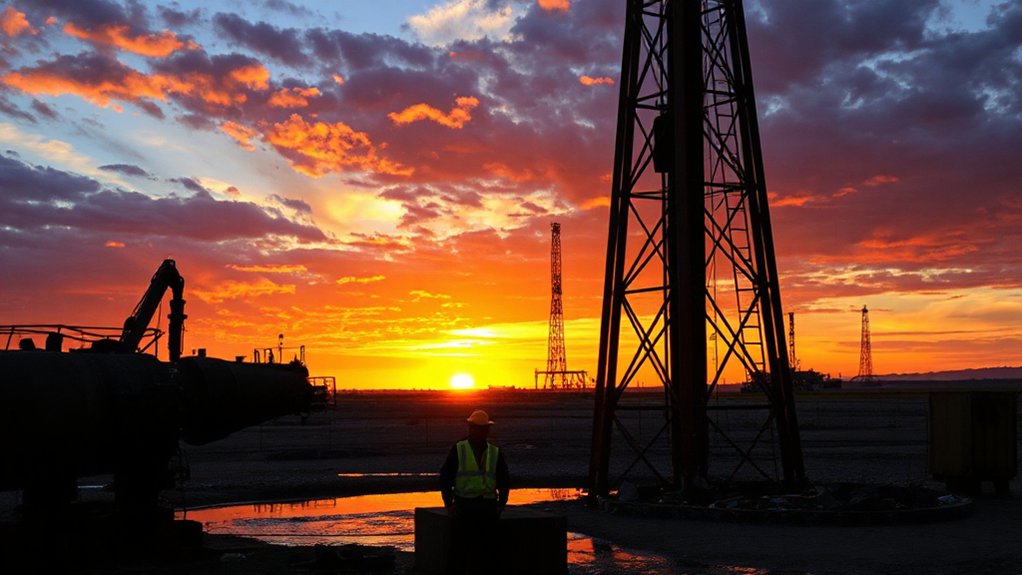
What happened? Everything, basically. Crumbling infrastructure. Zero investment. U.S. sanctions since 2019. A full-blown presidential crisis. The whole operation is held together with duct tape and wishful thinking.
Most of Venezuela’s meager output heads to China these days. Options are limited when you’re producing heavy crude that few refineries want, especially with sanctions blocking traditional markets. Venezuela’s oil industry could benefit from carbon credit markets, where its reduced production inadvertently creates avoided emissions credits similar to those traded in voluntary markets.
The economic reality is brutal. High extraction costs. Low recovery rates. No access to technology or investment. Decaying infrastructure. Political chaos. Experts suggest caution when considering self-reported reserve figures since they lack independent validation. It’s the perfect recipe for squandering the world’s largest oil reserves.