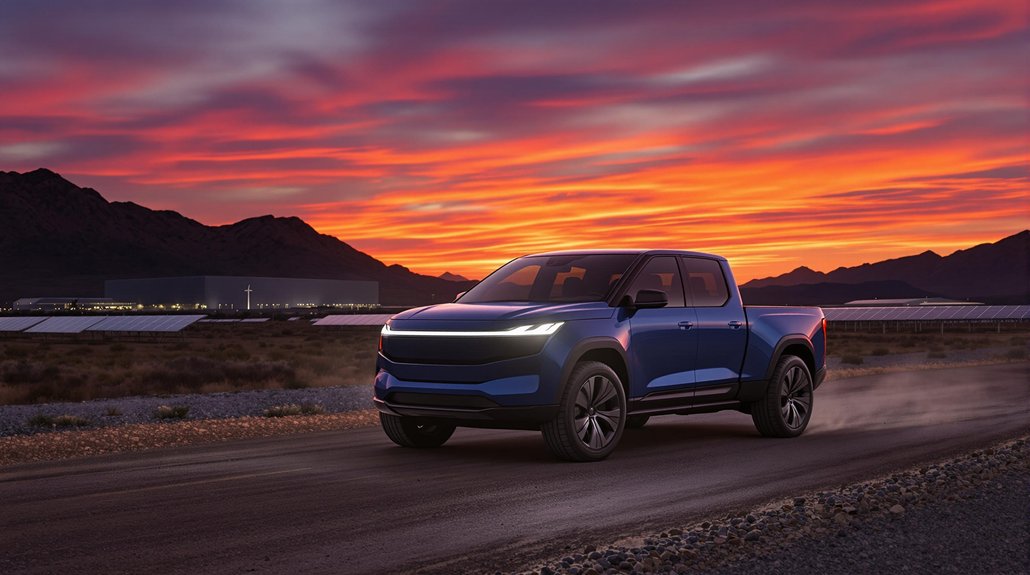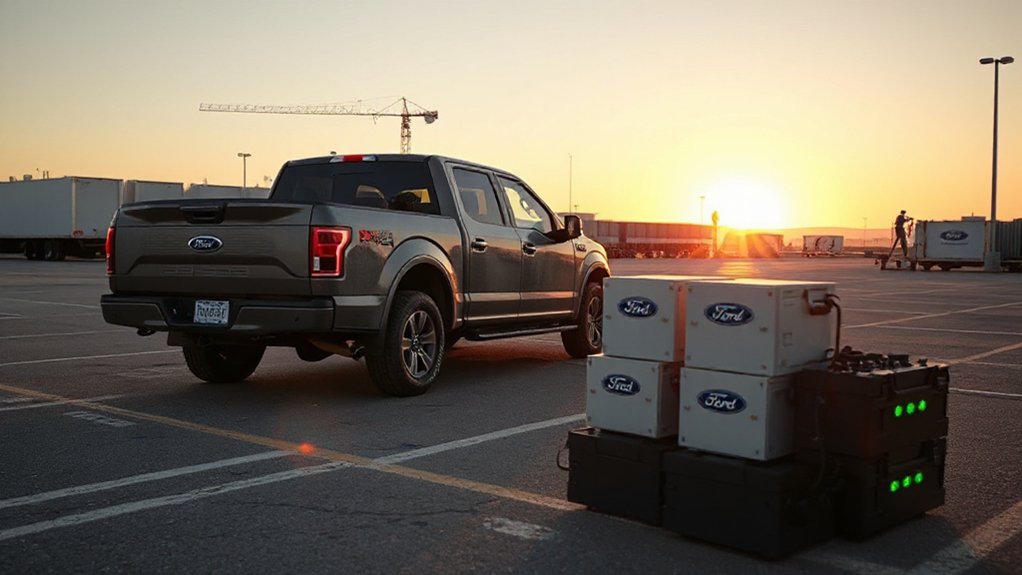

After pumping billions into its electric vehicle strategy, Ford is slamming the brakes on its all-electric F-150 Lightning. The company announced this week it’s ending production of the current-generation Lightning, leaving dealers sitting on a hefty 147-day supply of trucks nobody seems to want. So much for the electric revolution.
The Lightning name isn’t dead, though. It’s coming back on an extended-range electric vehicle (EREV) that combines battery power with a good old-fashioned gas generator. Think of it as Ford’s way of saying, “We tried the pure EV thing. Didn’t work out.” The new setup will still drive 100% on electric motors but can go over 700 miles thanks to that gas backup. Electric feel, gas convenience. Smart move?
What went wrong? Simple math. Demand fell short, costs ran high, and profits never materialized. Then came the one-two punch: losing federal tax credits and facing regulatory changes that torpedoed the business case. Oh, and some factory fires at supplier Novelis didn’t help either.
Ford’s not alone in this EV rethink. Ram is planning range-extended trucks over pure EVs, and Scout Motors reports most reservations are for its EREV Terra truck. Turns out Americans aren’t ready to go full electric with their trucks. The inadequate charging infrastructure in truck-popular regions remains a significant barrier to adoption. Who knew?
The pivot extends beyond the Lightning. Ford’s European electric commercial van? Canceled. North American EV van? Replaced with gas/hybrid models. The company’s now betting on a mix of hybrids, EREVs, and smaller pure EVs to hit 50% of global volume by 2030.
Ford’s redirecting capital to “higher-return opportunities” – corporate speak for “stop bleeding money.” Price wars in the EV market have squeezed already thin profit margins across the industry. Workers from the Rouge Electric Vehicle Center in Dearborn will support F-150 gas and hybrid production instead.
The F-150 Lightning was America’s best-selling electric pickup. Now it’s history. Sometimes being first doesn’t mean being right.
References
- https://www.kbb.com/car-news/ford-cancels-electric-f-150-lightning-plans-erev-instead/
- https://www.youtube.com/watch?v=gTzmOcIU3gs
- https://www.youtube.com/watch?v=flYo2HmntGc
- https://www.fromtheroad.ford.com/us/en/articles/2025/ford-reinvests-trucks-hybrids-affordable-electric-vehicles
- https://www.fromtheroad.ford.com/us/en/articles/2025/next-gen-f-150-lightning-extended-range-electric-vehicle
- https://fordauthority.com/2025/12/ford-ev-van-also-cancelled-new-gas-model-will-take-its-place/