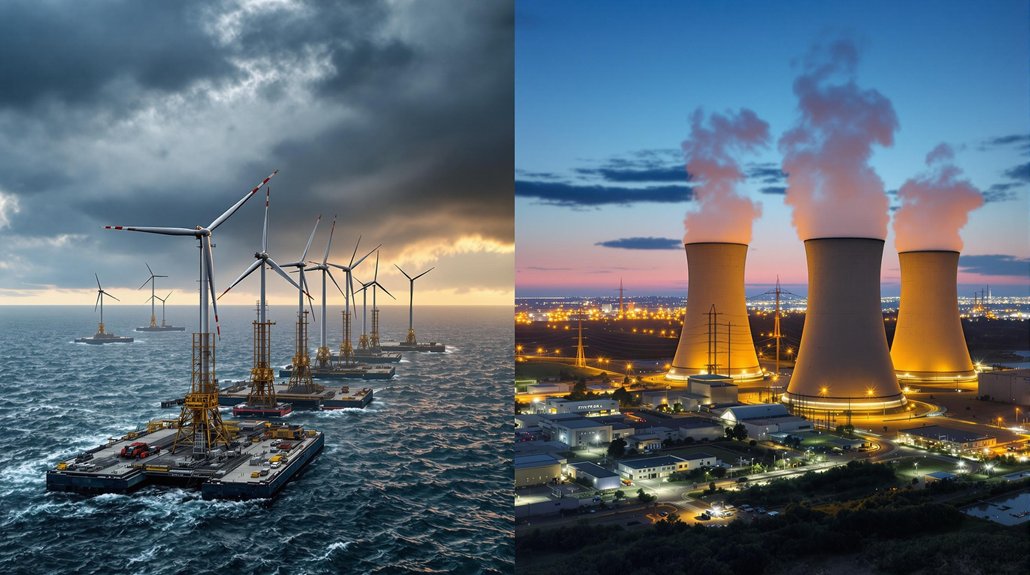

Australia’s 2025 federal election has become a high-stakes showdown over energy policy. The Opposition Coalition’s nuclear power plan could cost up to $5.2 trillion by 2050, requiring changes to multiple laws that currently prohibit nuclear energy. Meanwhile, Labor champions a renewable-focused approach with its “Future Made in Australia” plan. The debate divides politicians, business leaders, and voters concerned about economic stability and climate commitments. The nation stands at a transformative crossroads.
As Australia approaches its 2025 federal election, the nation faces a critical choice about its energy future that could cost trillions of dollars. The Opposition Coalition’s nuclear policy has sparked intense debate, with economic projections showing it could impose $4.3–5.2 trillion in costs by 2050.
The shift from renewables to nuclear would create major economic disruptions. Frontier Economics modeling supports the Coalition’s proposal but leaves out important flow-on costs. The plan would redirect capital away from established renewable infrastructure that’s already under development. This redirection undermines Australia’s potential to join the global renewable landscape that’s already generating 28.8% of worldwide electricity.
Nuclear power faces significant legal hurdles in Australia. It’s currently illegal under both federal and state laws. The National Radiation and Nuclear Safety Act bans new nuclear sites, while all states maintain their own prohibitions. Any nuclear alteration would require changes to multiple laws.
Environmental concerns are mounting too. The nuclear pathway could increase greenhouse gas emissions by up to 2 billion tonnes. Delays in nuclear deployment mean longer reliance on coal-fired generators. This puts Australia at risk of missing its 43% emissions reduction targets for 2030 and 2035.
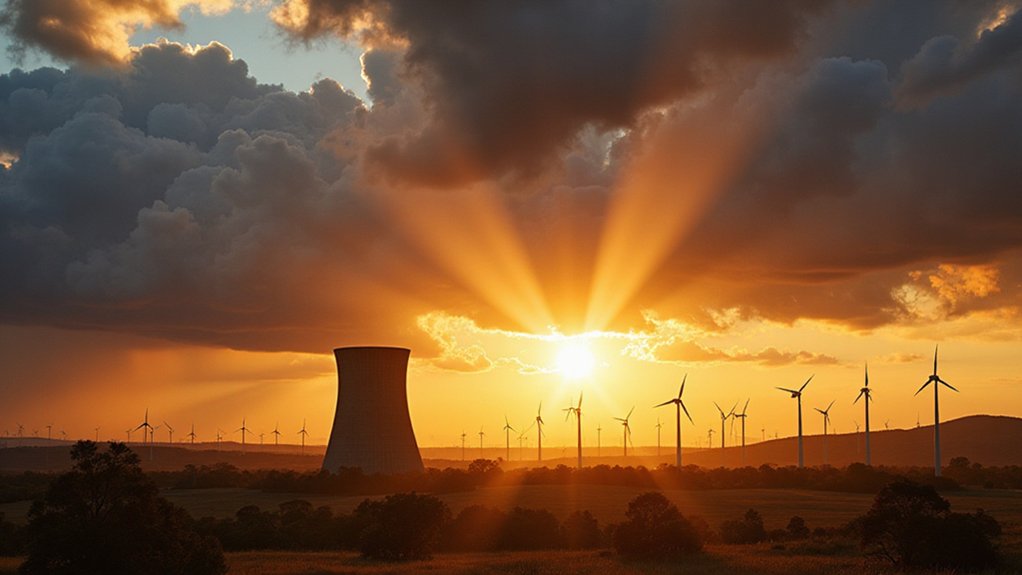
The 2025 election has made this energy divide a central issue. Labor backs a renewables-led shift with their “Future Made in Australia” plan. The Coalition’s plan includes building seven nuclear plants across the country as part of their “Progressive Change” scenario. Both parties support some role for fossil gas.
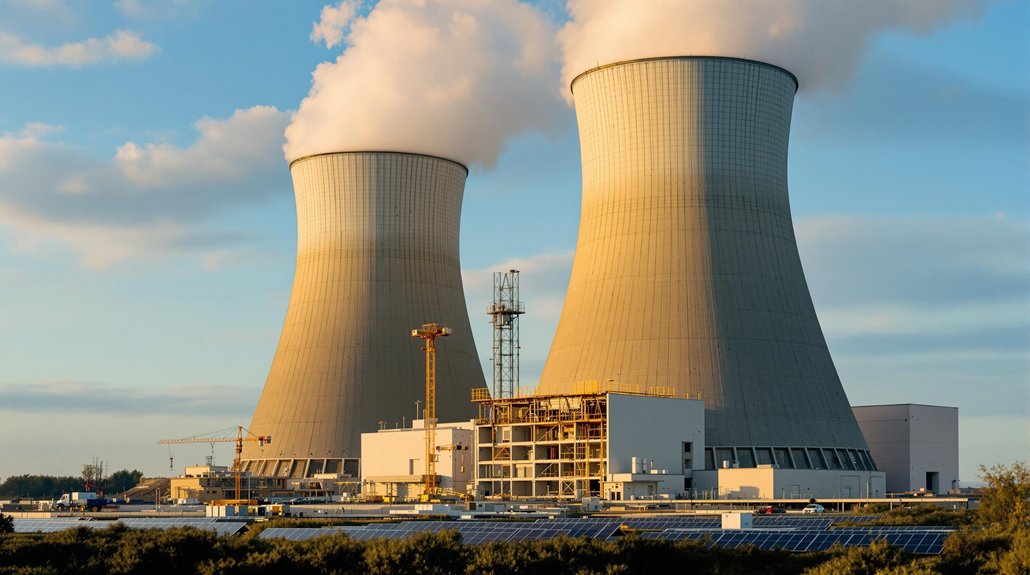
Australia’s electricity still comes 46% from coal. The national plan aims for 82% renewable energy by 2030, but a nuclear change would slow this progress. Nuclear plants take longer to build than renewable alternatives. The Coalition’s proposal to build reactors on retired coal stations aims to utilize existing infrastructure and transmission networks.
Many business leaders have expressed concern about the economic risks of abandoning the current renewable path. Industry stakeholders increasingly support climate-aligned policies and faster clean energy adoption.
The decision voters make in 2025 won’t just shape Australia’s energy landscape but could determine whether the country meets its climate commitments or faces trillions in economic costs.
References
- https://www.carbonbrief.org/australia-election-2025-where-parties-stand-on-climate-change-energy-and-nature/
- https://climateenergyfinance.org/wp-content/uploads/2025/04/fnLNP-nuclear-policy-will-cost-the-Australian-economy-at-least-4.3-trillion-by-2050.pdf
- https://thedailyaus.com.au/politics/coalition-nuclear-power-plan-28-04-2025
- https://pursuit.unimelb.edu.au/articles/10-reasons-why-nuclear-energy-is-a-bad-idea-for-australia
- https://influencemap.org/briefing/2025-Australia-Election-Briefing-32075